Program Overview & Detailed Activities
This 2-day training program was designed for nursery to grade 8 teachers working in schools for the deaf. The primary goal of the training was to equip teachers with alternative teaching methods to enhance learning quality for children with learning difficulties and deafblindness.
- Day 1: Theoretical Foundations & Strategies
The first session focused on identifying classroom diversity and discussing practical ways to support diverse learners. To ensure quality education for all, participants explored inclusive strategies, specifically focusing on Universal Design for Learning (UDL). This was followed by a discussion on the core concepts of the curriculum and how to adapt it to meet student needs. Finally, the day concluded with a detailed session on what Teaching Learning Materials (TLMs) are, how they are used, and how they can be developed.
- Day 2: Practical Workshops & TLM Creation
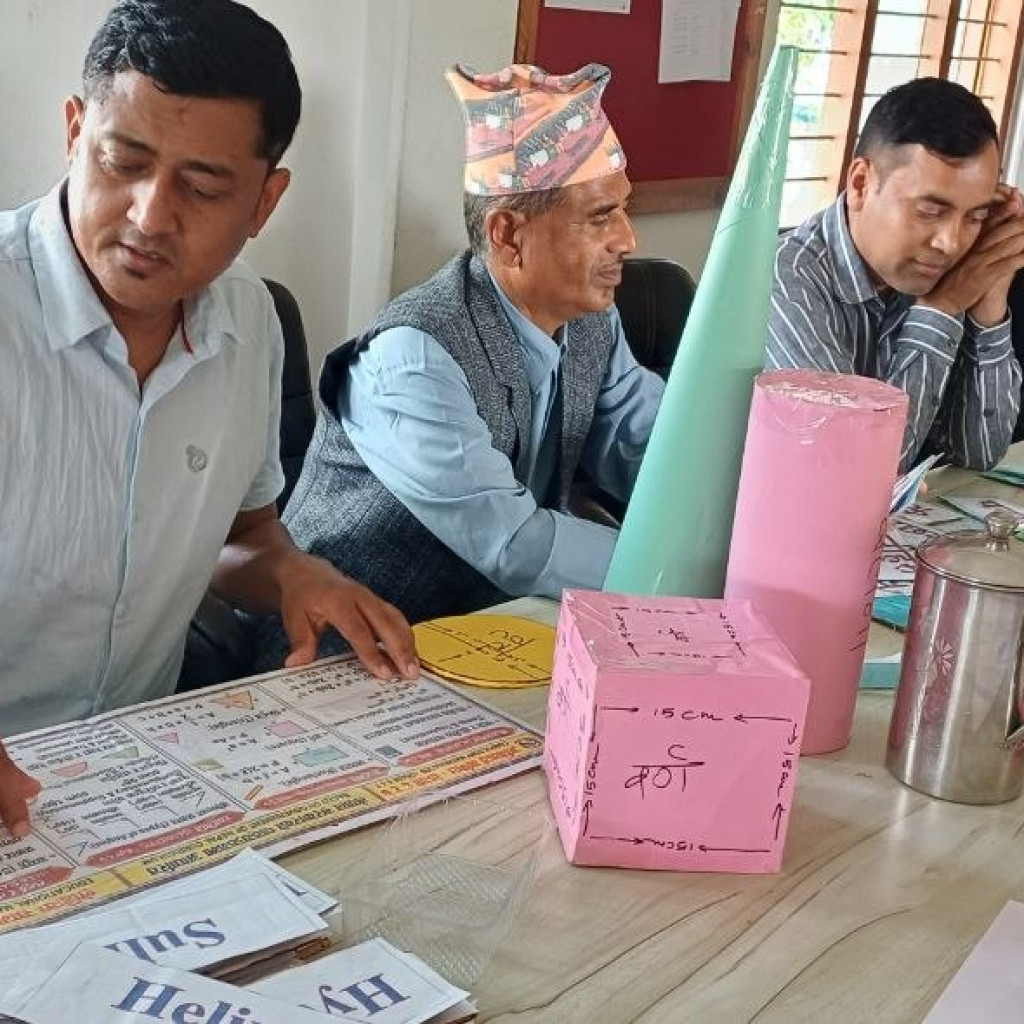
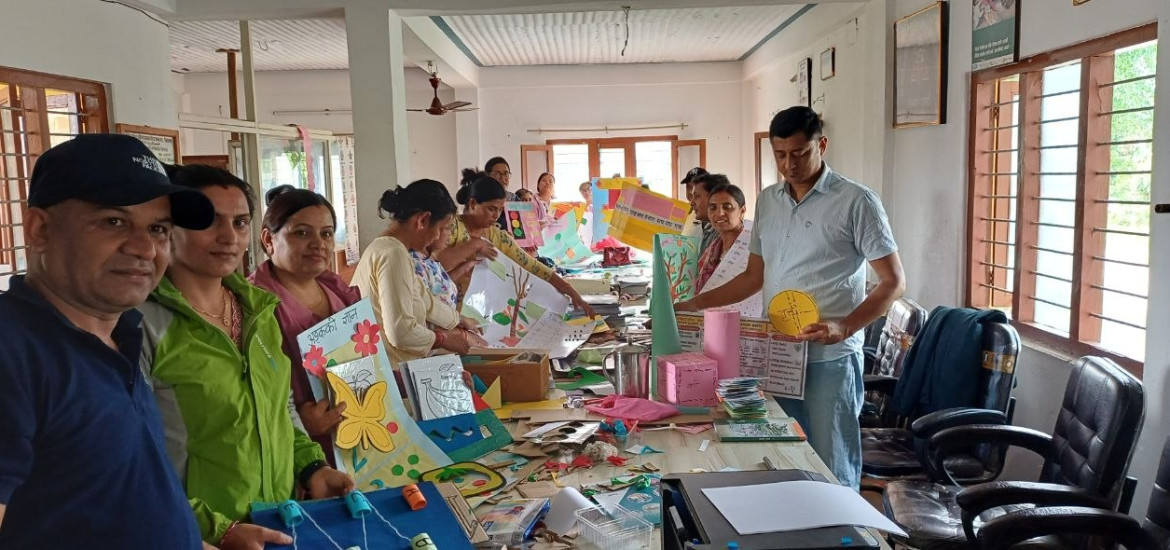
The second day focused on hands-on practice, starting with an interactive discussion on the different types of TLMs and how to design engaging materials. Following the presentation, teachers transitioned into practical sessions:
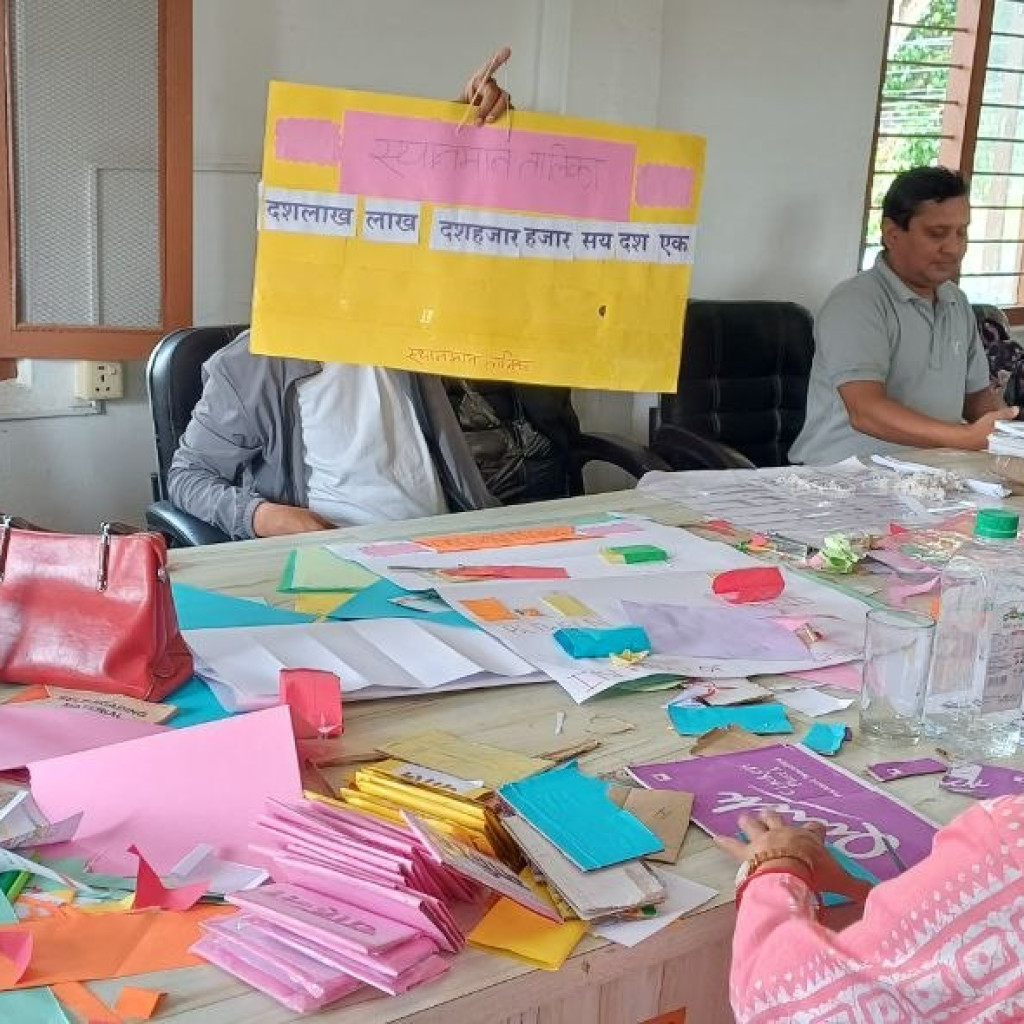
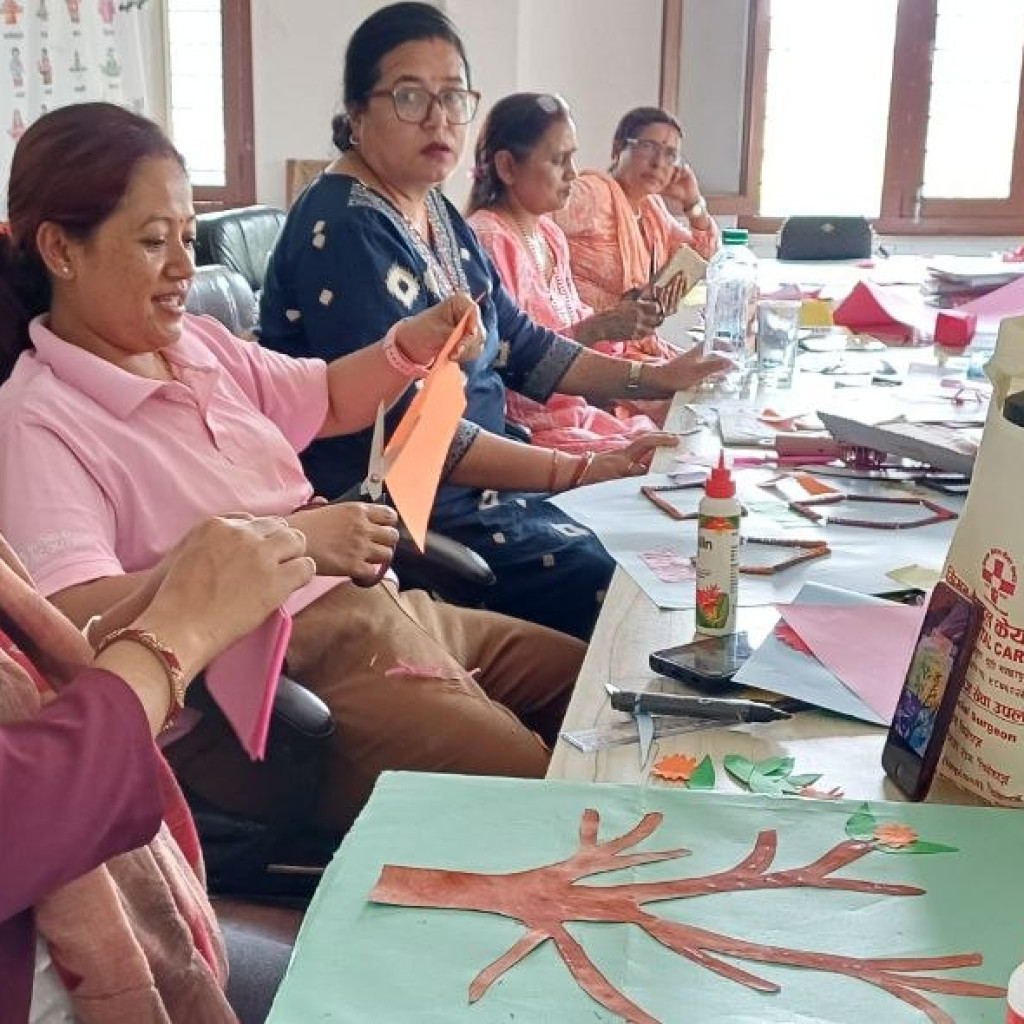
- Group Activity: Participants initially worked in teams to design and build TLMs based on assigned topics.
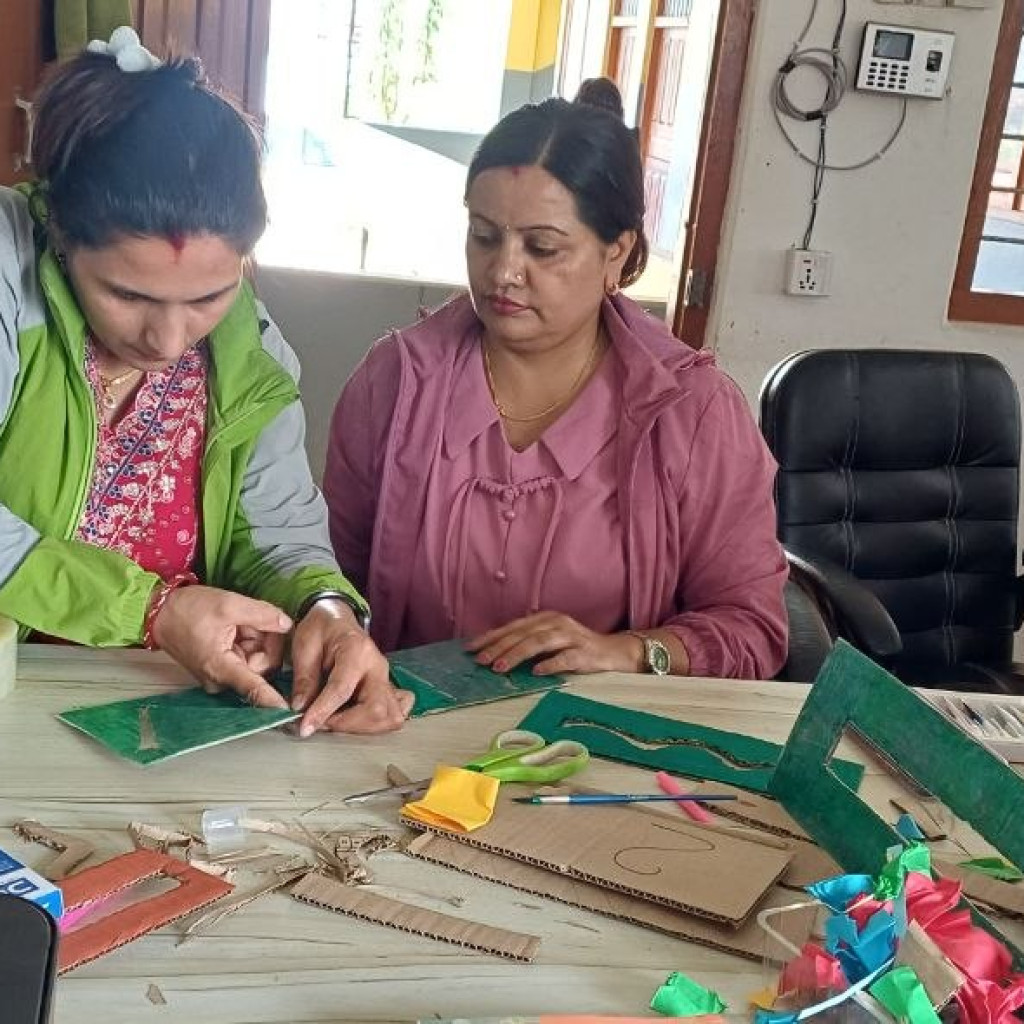
Individual Activity: Teachers then worked independently to create custom teaching materials tailored to a specific lesson from their own classroom curriculum.
Impact:
The program achieved outstanding results, successfully shifting the participants' mindset from theoretical understanding to practical classroom application.
Key impacts observed through participant feedback and hands-on performance include:
- Practical Skill Development over Theory: Participants noted that while past training programs were heavily theoretical and difficult to implement, this workshop focused on action. Teachers gained immediate, practical skills in designing and building customized Teaching Learning Materials (TLMs) based on specific student needs.
- Enhanced Inclusion for Deaf and Deafblind Learners: Teachers strongly emphasized that these visual and tactile materials are absolutely essential for deaf and deafblind children, making abstract concepts concrete and accessible.
- Improved Retention for Primary Students: Participants highlighted that using these physical tools—especially for Nursery to Grade 5 students—helps younger children grasp lessons much faster and retain information significantly longer.
- Clarity on "Learning" vs. "Decoration": A major breakthrough during the session was that teachers clearly learned to distinguish between purely decorative classroom items and functional, active learning materials designed for student interaction.
Key Highlights & Participant Views
- 100% Tangible Output: Every participating teacher successfully created at least one interactive, student-centered learning material during the training.
Institutional Commitment: At the closing ceremony, the School Principal praised the training for its highly practical and skill-based approach. To ensure long-term sustainability, the principal committed to allocating time every Friday for teachers and students to collaborate on building new classroom learning materials together.